Couples Retreat in Chiang Mai, Thailand
Leave feeling seen and understood by the person you chose. Three or five nights in the forest hills outside Chiang Mai, away from your phones and your work, for couples who want to go deeper, unlock new parts of their relationship, or come back to each other through a challenging or life-changing time.

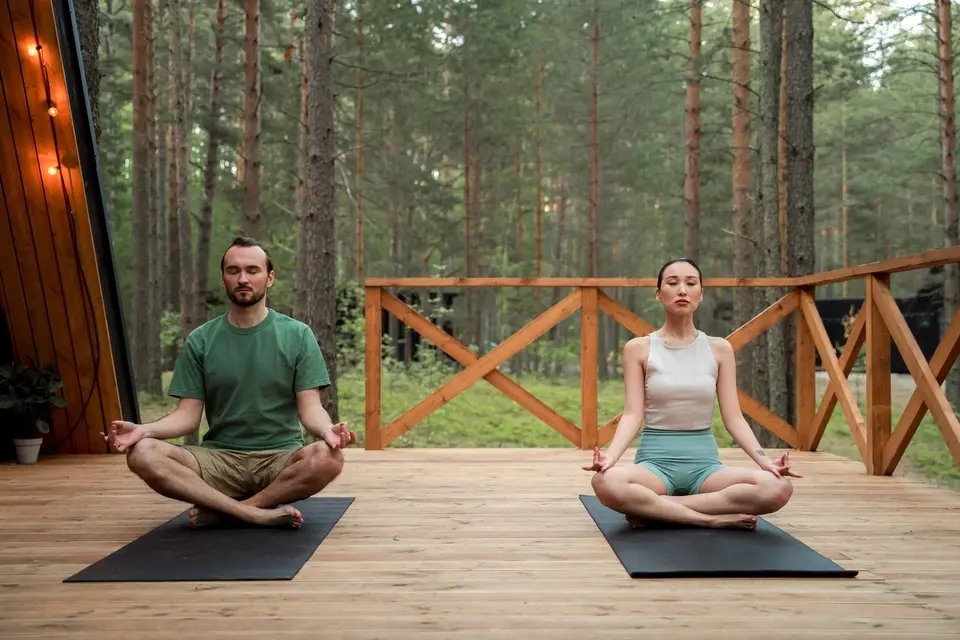
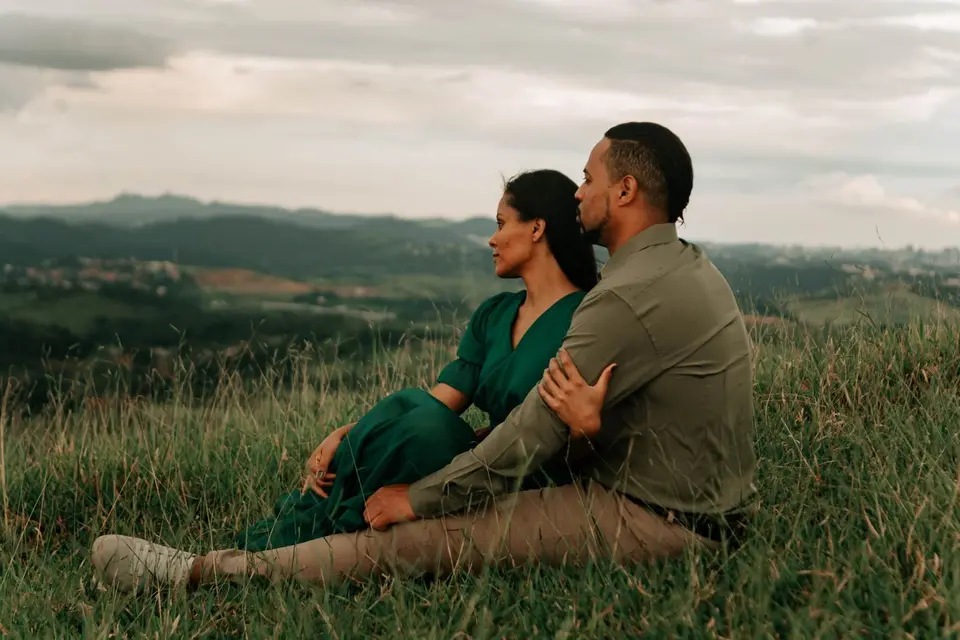
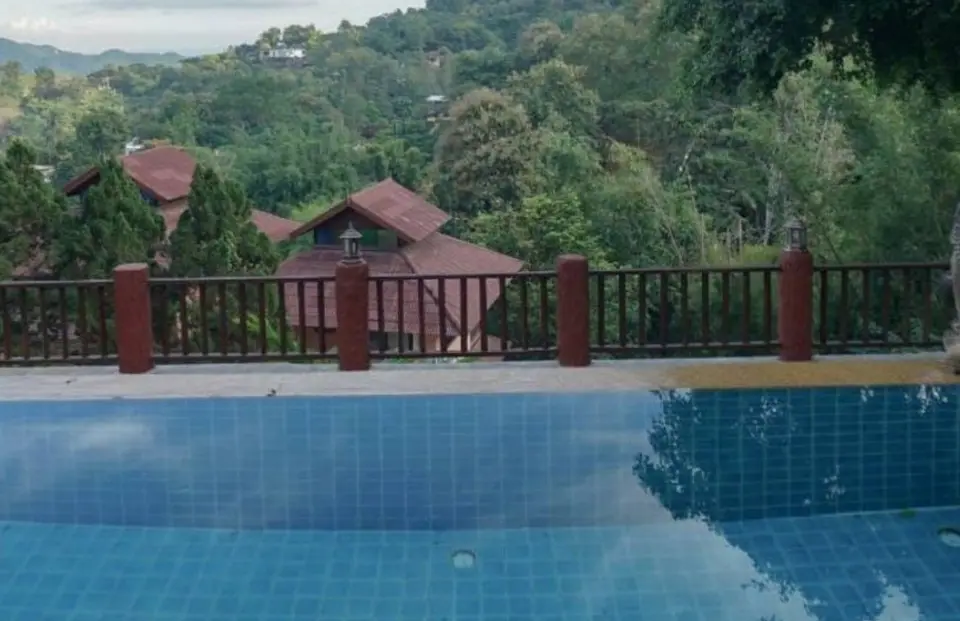
The Henosis Couples Retreat is a three or five night group retreat for couples in the forest hills outside Chiang Mai, Thailand. Phones go away, and through breathwork, TRE, eye gazing, communication skills, family constellations and a pamper package, couples leave feeling seen and understood. From US$1,650 for two, six couples per group.
What will we leave with?
| You feel seen and understood again | Each of you is heard without being fixed or argued with, often for the first time in years. |
|---|---|
| You know your cycle, and how to step out of it | The pattern you fall into when it gets hard, named, so the enemy becomes the pattern and not your partner. |
| You can have a hard conversation without a fight | How to start gently, how to notice you are flooding, and how to take a break and come back. |
| The unsaid thing is said, and met | Spoken as what you are afraid of and what you need, with a facilitator beside you. |
| Two calmer nervous systems | Breathwork and TRE you can do at home, and the practice of settling each other. |
| Rituals you keep | A daily conversation, a weekly check-in and a thirty-day plan, with a call from your facilitator a month later. |
Most couples are not living at the depth they want. She does not feel seen, he does not feel understood, and both are really asking the same question: are you there for me? Everyday life gives you no room to answer it. This retreat takes you out of that life, takes the phones away, and gives the two of you the time, the safety and the practices to answer it together.
What is a couples retreat?
A couples retreat is a few days away together, led by facilitators, where a couple works on their relationship in a setting built for it. Unlike couples counselling, which is an hour a week, a retreat gives the two of you whole days of teaching, practice and time together, away from phones, work and home. Unlike a holiday, it has a structure and a purpose.
This is a couples retreat in Chiang Mai, Thailand, held at Insda Wellness Resort in the forest hills above Hang Dong. It runs for three or five nights in December 2026 and February 2027, for six couples, up to eight.
The Couples Retreat at a glance
| What is the outcome | You leave feeling seen and understood, knowing your cycle and how to step out of it, able to have a hard conversation without a fight, and with rituals to keep it going at home. |
|---|---|
| What is it | A three or five night group couples retreat: intention setting, a one-hour teaching every day, a digital and dopamine detox, breathwork and TRE, eye gazing and heart connection, knowing your partner as a stranger, communication skills, family constellations by choice, a letter to your partner, time apart, and a pamper package. |
| Who is it for | Couples who are good together and want to go deeper, and couples going through a challenging or life-changing time who need space to decompress and come back to each other. |
| Where is it | Insda Wellness Resort in the forest hills of Hang Dong, forty-five minutes from Chiang Mai airport, Thailand. |
| When is it | 1 to 4 December or 1 to 6 December 2026, 20 to 23 December 2026, and 11 to 14 February 2027. |
| How much is it | US$1,650 for three nights and US$2,750 for five, for the two of you. The second person is free. |
| How many couples | Six couples, up to eight. Four at least, so family constellations have enough people to work. |
| How do we book | Send an expression of interest. We call you both, and a place is offered after the call. Nothing is charged before it. |
Three or five nights: which should we choose?
| 3 nights | 5 nights | |
|---|---|---|
| Price for two | US$1,650 | US$2,750 |
| Full days of programme | 2 | 4 |
| Teaching hours | 3 | 5 |
| Family constellations | One morning | A full day |
| Play, adventure and desire | Not included | A full day |
| Pamper treatments each | 2 | 4 |
| Couples massages | 1 | 2 |
| Dates | 1 Dec, 20 Dec, 11 Feb | 1 Dec |
What happens on a couples retreat, and why each practice is there
| Practice | What it is | Why we use it | The research |
|---|---|---|---|
| Intention setting | On the first afternoon each of you writes what you want from these days, for yourself and for the two of you, and together you set one shared intention and the depth you want to go to. | It turns a few days away into a few days with a direction, and it lets the two of you choose how deep to go. | Couples therapy starts by agreeing goals with both partners, so the work belongs to them. We do the same on day one. |
| Digital and dopamine detox | Phones in the room safe, no screens and no alcohol for the whole stay. | You cannot be present for each other while half your attention is somewhere else. Taking the phones away is the first thing that lets the two of you actually meet. | The Gottmans found that couples who stayed together turned toward each other's small bids for attention far more often than couples who split. Phones are where most of that attention goes now. |
| A teaching hour every day | One hour of teaching each programme day: why couples drift, the nervous system in love, the four warning signs, family systems, and keeping desire alive. | Understanding why something happens is what lets you change it at home, long after the retreat. | Drawn from the research of John and Julie Gottman, Sue Johnson and Esther Perel, taught in plain words. |
| Breathwork and TRE | Breath that brings the nervous system down, and tension and trauma releasing exercises that let the body shake out what it holds. | Nobody says the hard thing until their body feels safe enough to say it, so the body comes first every morning. | Gottman research shows that once a partner is flooded, with the heart racing, they cannot listen or repair. Calming the body has to come before the conversation. |
| Eye gazing and heart connection | Sitting face to face in silence, and breathing together with a hand on each other's heart. | It is the fastest way we know for each of you to feel seen without needing the right words. | Sue Johnson's work shows a secure bond rests on each partner being emotionally reachable and responsive. These practices rebuild that, in the body. |
| Conscious touch | Asking for, giving and receiving touch slowly, with a clear yes and no. Always clothed. | It rebuilds trust in the body, and it is the first time many couples have touched slowly and sober in years. | Esther Perel's work on desire shows it needs both safety and freedom. A clear yes and no gives both. |
| The skills | The four warning signs that predict a break-up and their antidotes, starting a hard conversation gently, the flooding break, and accepting influence. | Bringing up the unsaid without these turns it into a fight. With them, it turns into a conversation. | The Gottmans' research on what predicts whether couples last, set out in their book Fight Right. |
| Mapping your cycle | Each couple finds their own pattern: who pursues, who withdraws, and the fear underneath each. | Once you can see the cycle, you stop fighting each other and start fighting it together. | Sue Johnson's work on the cycles couples get stuck in, and the raw spots that keep them going. |
| Know your partner as a stranger | One evening the two of you meet as if for the first time: questions you have never asked, answered as if to someone new. | After years together we stop asking. Meeting again as strangers brings back curiosity, and shows you the person you think you already know. | Esther Perel's work shows desire grows when we see our partner as their own person. Arthur Aron's research found that people who take turns answering ever more personal questions feel markedly closer within an hour. |
| Mutual journaling | Writing apart to the same prompts, then reading to each other. | The quieter partner gets to find the words before having to say them, which levels the conversation. | Half the prompts are curiosity and admiration, because the Gottmans found that knowing each other's inner world is what lets couples weather conflict. |
| The reaching conversation | The unsaid thing, spoken as fear and need, not complaint. One speaks, one listens and reflects back. | This is the centre of the retreat. It is where she feels seen and he feels understood. | Sue Johnson's work shows that couples heal when each partner can reach for the other, vulnerable, and be met. |
| Family constellations, by choice | A group method where people stand in for members of your family, to show the patterns you brought into the relationship. | It shows where each partner's raw spots come from in a way talking about it does not. Every constellation ends turned back to your partner. | There are no large studies on constellations yet, which is why it is offered and never required. |
| Time apart and the pamper package | Your own treatments in the afternoons, and one thing of your own during the stay. | Each of you needs a self that is not the couple, and the body needs time to take in what the morning brought up. | Esther Perel's work shows desire needs some distance: we are most drawn to a partner we can still see as their own person. |
| Play, adventure and desire | A sunrise walk, watching each other shine, and a clothed conversation about desire. On the five nights. | A relationship is not only a set of problems to solve. Play and novelty bring back the reason you chose each other. | Esther Perel's work on keeping desire alive in a long relationship. |
| Write a letter to your partner, and home rituals | On the last day each of you writes a letter to the other: what I saw in you, what I am taking home, what I promise. Then a daily twenty-minute conversation and a weekly check-in to take home. | The retreat is the start. The rituals are what make it last. | The Gottmans' rituals of connection, including the daily stress-reducing conversation. |
The Couples Retreat, day by day
The 3-night programme
One full pass through the whole process: set your intention, learn the skills, meet each other fresh, map your cycle, and have the conversation. A one-hour teaching every day.
- Arrive, lunch, phones go in the room safe
- Opening circle and agreementsConfidentiality, consent, and the rule that private conversations stay private
- Intention settingEach of you writes what you want from these days for yourself and for the two of you, then you set one shared intention with a facilitator and choose the depth you want to go to
- Teaching hour: why couples driftThe bond, the nervous system, and the one question under every fight: are you there for me?
- Breathwork
- Dinner, then five minutes of eye gazing
- TRE, and how to notice you are flooding
- Teaching hour: the four warning signs and their antidotesStarting gently, the flooding break, accepting influence
- Practise the skills, as a couplePrivately, with the facilitators moving between couples
- Map your cycleWho pursues, who withdraws, and what each of you is afraid of underneath
- Time apart: your pamper session and one thing of your own
- Heart connection and conscious touch
- Know your partner as a strangerDinner as if you had just met: questions you have never asked, answered as if for the first time
- Breathwork
- Teaching hour: where patterns come fromRaw spots, family systems, and why the past shows up in the present
- Family constellations, by choiceEach ends with the person turning to their partner and saying what they saw
- Your pamper session
- The reaching conversationWritten first, then spoken: what I am afraid of, what I need from you
- Write a letter to your partnerWhat I saw in you this week, what I am taking home, what I promise. Read aloud to each other, alone
- Your rituals for home, and the closing
- Breakfast, phones back, transfer to the airport
The 5-night programme
The same order with room for each part to land, a full day of family constellations, and a day for play, adventure and desire. A one-hour teaching every day. The longer you stay, the deeper it goes.
- Arrive, phones away, opening circle
- Intention settingFor yourself, for the two of you, and the depth you want to go to
- Teaching hour: why couples drift
- Breathwork, dinner, eye gazing
- TRE, the full introduction, and flooding
- Teaching hour: your nervous system in loveHow stress shows up between you, and how partners calm each other
- Co-regulation: settling your partner with breath, voice and touch
- Mutual journaling: curiosity and admiration
- Time apart: your pamper session and one thing of your own
- Eye gazing and heart connection
- Know your partner as a strangerDinner as if you had just met
- Teaching hour: the four warning signs and their antidotesStarting gently, the flooding break, accepting influence
- Map your cycle and the raw spots underneath it
- Your pamper session
- The dream inside the conflictOne argument that keeps coming back, and what each of you is really standing for
- Conscious touch, then appreciations at dinner
- Teaching hour: family systemsWhat constellations show, and how to take part
- Family constellations, morningBy choice, and each ends turned back to your partner
- Rest and a short treatment
- Family constellations, afternoon
- A sunrise walk into the hills together
- Teaching hour: keeping desire aliveCloseness and distance, and why the two of you need both
- The reaching conversationOld hurts that still sting are named and forgiven, if both of you are ready
- Watch each other shineEach shares something they love or are good at while the other watches
- The desire conversationClothed and conversational: when I feel most alive with you, what I want more of
- Write a letter to your partnerRead aloud to each other, alone
- Your rituals for home, and the closing
- Breakfast, phones back, transfer to the airport
Is a couples retreat better than counselling or a holiday?
They do different jobs. This is how they compare.
| This retreat | Couples counselling | A holiday together | |
|---|---|---|---|
| Phones and screens | Away for the stay | Back on as you leave | Usually on |
| The body and nervous system | Breathwork, TRE, touch, treatments | Not the focus | Rest, unguided |
| Skills for hard conversations | Taught and practised | Taught over weeks | None |
| Time for each of you alone | Every afternoon | Rarely | Not structured |
| Who it suits | Couples going deeper or through a hard time | Couples in conflict | Couples who want a break |
What is included in the Couples Retreat?
Included
- Three or five nights in a private room with its own bathroom and balcony
- The full group programme with two facilitators, mornings and early evenings
- A one-hour teaching session every programme day
- Intention setting on the first afternoon
- Know your partner as a stranger, an evening of meeting each other fresh
- Breathwork and TRE every morning
- Eye gazing, heart connection and conscious touch
- The skills sessions and mapping your cycle
- Mutual journaling, with a journal each to take home
- The reaching conversation, with a facilitator beside you
- A letter to your partner, written and read on the last day
- Family constellations, by choice
- The pamper package: two treatments each on three nights, four on five, plus a couples massage, two on five nights
- Time apart for each of you every afternoon
- The digital and dopamine detox for the whole stay
- All meals, three a day
- Both airport transfers
- A questionnaire before you come, on the last day and at thirty days
- A thirty-day plan and one call with your facilitator a month later
Not included
- Flights to Chiang Mai
- Travel insurance, which is required
- Extra treatments beyond the pamper package
Group size
- Recommended
- Six couples, twelve people. Close enough that nobody hides, big enough for family constellations.
- Maximum
- Eight couples, with a third facilitator assisting.
- Minimum
- Four couples, so constellations have enough people to stand in.
When are the next couples retreats in Chiang Mai?
| Dates | Stay | Price for two | Book |
|---|---|---|---|
| 1 to 4 Dec 2026 | 3 nights | US$1,650 for two | Choose this date |
| 1 to 6 Dec 2026 | 5 nights | US$2,750 for two | Choose this date |
| 20 to 23 Dec 2026 | 3 nights | US$1,650 for two | Choose this date |
| 11 to 14 Feb 2027 | 3 nights, Valentine's | US$1,650 for two | Choose this date |
US$550 a night covers the two of you. The Bali Pool Villa adds US$120 a night. After the call, a US$500 deposit holds the room and the balance is due a fortnight before you arrive.
Every other retreat is on Upcoming and Find a retreat.
Before you come
| Getting there | Fly into Chiang Mai International Airport (CNX). The resort is twenty-three kilometres south west, up the Hang Dong to Samoeng road, about forty-five minutes by car. You are met at arrivals and driven back on the last day. |
|---|---|
| Weather | December to February is the cool, dry season in northern Thailand. Warm days and cool nights, colder up in the hills, so bring a warm layer. |
| Phones | They go in the room safe on arrival. Anyone who needs to reach you in an emergency can call the resort. |
| Privacy | The group is for teaching and practice. Your private conversations stay private, and nobody is asked to talk about their relationship in the circle. |
| What to bring | Comfortable clothes for movement, swimwear, a warm layer for the evenings, and walking shoes. |
| Food | Three meals a day, plant-forward, meat on request. Dietary needs are catered for with notice. |
Questions couples ask
Do we have to talk about our relationship in front of other couples?
No. The group is for teaching and practice. Your conversations as a couple happen privately, with a facilitator nearby.
Is the programme based on research?
It is informed by the research of John and Julie Gottman, Sue Johnson and Esther Perel, alongside breathwork, TRE and family constellations. Each practice on this page says why it is there.
What is the difference between 3 and 5 nights?
Three nights goes through the whole process once. Five gives each part room to land, adds a full day of family constellations, and a day for play, adventure and desire. The longer you stay, the deeper it goes.
We are going through a hard time. Is this for us?
Yes. A lot of what this week does is give your bodies and nervous systems room to settle, so you can meet each other in a loving way again. Tell us where you are on the call.
What is a dopamine detox?
A break from the quick hits that pull your attention away: phones, screens, scrolling and alcohol. For a few days your attention goes to each other instead.
What does knowing your partner as a stranger mean?
One evening you meet as if for the first time, over dinner: questions you have never asked each other, answered as if to someone new. It brings back curiosity, and the person you thought you already knew.
Is there teaching, or is it all practice?
Both. Every programme day has a one-hour teaching session, then the practices that put it to work.
Do we have to do family constellations?
No. It is offered, never required. You can take part by standing in for someone in another person's constellation, or simply watch.
Is anything sexual?
No. Conscious touch and the desire conversation are clothed and conversational.
How do you know it works?
Every couple fills in a short relationship questionnaire before arriving, on the last day and thirty days later.
Sources and further reading
- John and Julie Gottman, Fight Right (Penguin, 2024)
- The Gottman Institute
- Sue Johnson and Emotionally Focused Therapy (ICEEFT)
- Esther Perel
- Aron and others, The Experimental Generation of Interpersonal Closeness (1997)
- TRE, Tension and Trauma Releasing Exercises
The programme is informed by this research. It is not the Gottman Method, Emotionally Focused Therapy or Hold Me Tight, which are the authors' own programmes, and it is not therapy.
Other retreats you may like
Tell us you are interested
Nothing is charged until we have spoken. The reply comes from a person.