
Do you have a calling?
Are you looking for yourself?
Henosis is founded upon the idea that every human being in unique and has a purpose. You have aspects that make you so different to every other human on the planet, yet such deep similarities that show we're all the same.
Origin Story of Henosis
The Greek word henosis refers to the process of achieving a state of oneness or unity with the divine. This concept has been central to many mystical and philosophical traditions throughout history, particularly in ancient Greece.
The term henosis comes from the Greek word ἕνωσις, which means "union" or "merging." It was used by several ancient Greek philosophers, including Plotinus and Proclus, to describe the goal of mystical practice.
For these philosophers, the goal of mystical practice was to transcend the limitations of the physical world and achieve a direct experience of the divine.
This experience was seen as a merging or union with the divine, a state of consciousness in which the individual and the divine were no longer separate entities but were united as one.
In some mystical traditions, henosis was seen as a gradual process of spiritual development, in which the individual gradually purifies their mind and body and becomes more attuned to the divine. In others, it was seen as a sudden, spontaneous experience that could occur at any time.
The concept of henosis was also central to many ancient Greek religious practices, particularly in the mystery religions. These were secretive, initiatory cultures that focused on the direct experience of the divine through ritual practices, often involving ecstatic states of consciousness.
Henosis has also been an important concept in the history of Christianity, particularly in the Eastern Orthodox tradition. In this tradition, henosis is seen as the ultimate goal of spiritual practice, a state of union with God that is achieved through prayer, contemplation, and asceticism.
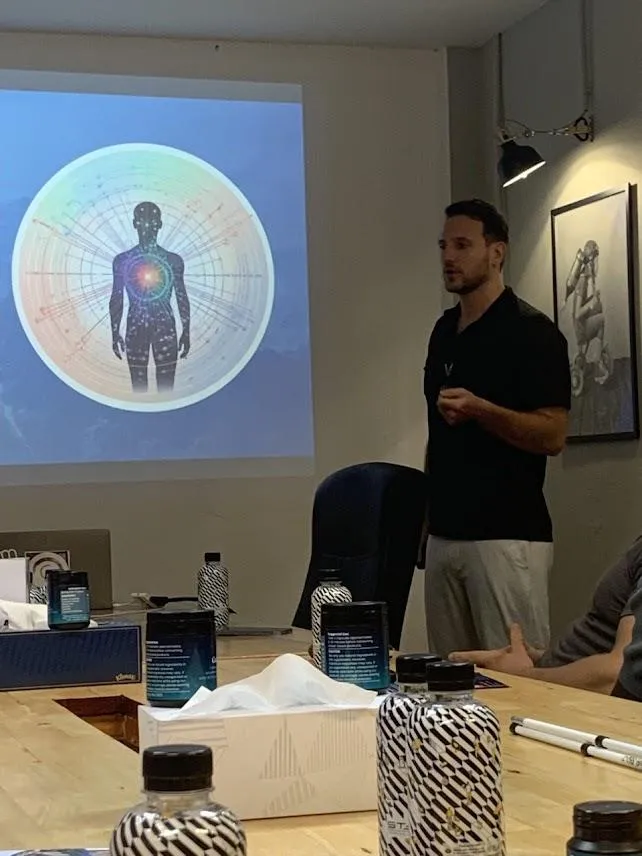
Overall, the concept of henosis is a complex and multifaceted one that has played a central role in many mystical and philosophical traditions throughout history. Whether seen as a gradual process of spiritual development or a sudden, spontaneous experience, it represents the human longing for a direct experience of the divine, and the recognition that this experience lies at the heart of our deepest aspirations and desires.

HENOSIS PURPOSE
Henosis was formed to hold space for the lost soul, questioning their current reality, and to provide alternative information and experiences that may serve as the launching pad for their new life.

HENOSIS VISION
We believe that all humans deserve to live a life of fulfillment and to participate in the raising of the vibrational frequency of earth to expand consciousness.

HENOSIS MISSION
Henosis assists with the shedding of our limiting beliefs, overcoming our emotional and energetic blocks and reprogramming harmful habits and biases. We develop educational information, events and activities to promote ancient wisdom, alternative medicines, new age science and holistic healing modalities to empower the individual to discover their own limitless possibilities and increase awareness.
What the greats say about Henosis over Millenia
Within the word henosis lies a powerful invitation to experience the unity and oneness that exists within and around us, to dissolve the illusion of separateness and awaken to the truth of our interconnectedness with all of life.
Plato
Henosis is the transcendence of the self, the merging of the individual with the divine, and the attainment of spiritual enlightenment.
Eckhart Tolle
The experience of henosis is a mystical journey, a quest for the ultimate truth and the ultimate reality.
Carl Jung
In the state of henosis, the individual ego dissolves into the infinite, and the soul merges with the divine.
Deepak Chopra
Henosis is the realisation that we are all interconnected, that we are all part of a greater whole, and that we are all one.
Alan Watts
In the state of henosis, the boundaries between self and other dissolve, and the individual becomes one with the universe and all that exists.
Sri Ramana Maharshi
Henosis is the state of being in which one transcends the limitations of the ego and realises the true nature of the self as part of the divine.
Buddha
Henosis is the ultimate liberation, the release from the bonds of the ego and the attainment of eternal bliss and peace.
Henosis
Henosis represents the journey of transcending individuality, merging with the divine, and awakening to the unity that connects all of existence.
Interested in changing your life?
Check out some of our free articles
HEALTH & WELLBEING

What are Spiritual Integration Session?
Spiritual integration refers to the process of incorporating and assimilating spiritual experiences, insights, and transformations into one's identity, beliefs, values, and daily life. It involves bridging the gap between the spiritual realm and the practical aspects of human existence, such as relationships, work, personal growth, and overall well-being.
Integration sessions can be conducted in both group and one-on-one settings. Group integration sessions provide a communal space for individuals to come together and share their spiritual experiences, insights, and challenges. It allows for collective support, learning from others, and fostering a sense of belonging. On the other hand, one-on-one integration sessions offer personalised support and guidance tailored to the individual's unique needs. It provides a confidential space for in-depth exploration, addressing specific concerns, and receiving individualised practices and strategies for integrating spiritual experiences into everyday life. Both group and one-on-one sessions play important roles in supporting individuals on their integration journey
Spiritual integration is important for several reasons:
Authenticity and Wholeness:
When individuals have profound spiritual experiences, it can lead to a shift in their perception of self and reality. Spiritual integration allows individuals to honour and embrace these experiences, integrating them into their sense of self and living authentically. It promotes a sense of wholeness and alignment between one's spiritual nature and everyday life.
Meaning and Purpose:
Spiritual experiences often provide individuals with a sense of meaning, purpose, and connection to something greater than themselves. By integrating these experiences, individuals can tap into a deeper sense of purpose, find meaning in their actions, and cultivate a greater sense of fulfilment and satisfaction in life.
Psychological Well-being:
Spiritual integration can have positive effects on psychological well-being. It can foster a sense of inner peace, resilience, and emotional balance. By integrating spiritual insights and practices, individuals may experience reduced stress, improved self-esteem, enhanced self-awareness, and a greater capacity for coping with challenges.
Expanded Awareness and Consciousness:
Spiritual integration can lead to expanded states of awareness and consciousness. It opens up new possibilities for personal growth, self-transformation, and a deeper understanding of the interconnectedness of all beings. It can foster a greater sense of compassion, empathy, and interconnectedness with others and the world at large.
Transpersonal Psychology
Transpersonal psychology, which intersects with the concept of spiritual integration, is a branch of psychology that explores and integrates the spiritual and transcendent aspects of human experiences. It emerged in the late 1960s and early 1970s as a response to the growing interest in non-traditional spiritual practices and experiences.
The term transpersonal psychology was first introduced in the 1960s by psychologists such as Abraham Maslow and Victor Frankl. This field utilises psychological methods and theories to examine the spiritual subject matter.

Viktor Frankl - Famous author of Mans Search for Meaning
Transpersonal psychology encompasses a range of perspectives, theories, and therapeutic approaches that acknowledge the spiritual dimensions of human existence. It incorporates insights from various spiritual traditions, Eastern philosophies, and Western psychology to explore topics such as consciousness, self-transcendence, personal growth, and the nature of reality.
Some common questions addressed within transpersonal psychology include:
What is the nature of consciousness and how does it relate to spiritual experiences?
The nature of consciousness is a complex and philosophical question that has been explored by various disciplines, including philosophy, neuroscience, and psychology. In the context of spiritual experiences, consciousness is often seen as the underlying essence or awareness that transcends individual thoughts, emotions, and sensory perceptions. Spiritual experiences, such as moments of unity, transcendence, or expanded awareness, are often associated with altered states of consciousness or shifts in the perception of reality. These experiences can provide individuals with a direct connection to a deeper aspect of consciousness beyond the ordinary everyday state, leading to a sense of interconnectedness, meaning, and spiritual insights.
How can individuals integrate transcendent experiences into their everyday lives?
Integrating transcendent experiences into everyday life involves finding ways to apply the insights, wisdom, and transformative effects of those experiences in practical and meaningful ways. Here are some approaches to integration:
Reflection and Meaning-Making: Engaging in self-reflection and contemplation can help individuals make sense of their transcendent experiences. By reflecting on the meaning and significance of these experiences, individuals can identify how they align with their values, purpose, and goals, and integrate them into their worldview.
Mindfulness and Presence: Cultivating mindfulness and present-moment awareness can help individuals bring the qualities of their transcendent experiences, such as expanded awareness or a sense of unity, into everyday activities. Practicing mindfulness allows individuals to engage more fully with the present moment and appreciate the depth and interconnectedness of life.
Integration Practices: Engaging in specific integration practices, such as journaling, creative expression, meditation, or ritual, can help individuals process and anchor their transcendent experiences. These practices provide a structured way to revisit and deepen the insights gained during those experiences, making them more accessible and applicable in daily life.

What is the role of spirituality and mystical experiences in personal growth and self-actualisation?
Spirituality and mystical experiences can play a significant role in personal growth and self-actualisation. They can offer individuals a deeper sense of purpose, meaning, and connection, fostering psychological and emotional well-being. Some aspects of their role include:
Expanded Perspectives: Spiritual and mystical experiences often provide individuals with new perspectives on themselves, others, and the world. They can challenge limiting beliefs, expand awareness, and inspire personal growth by revealing a broader understanding of reality and one's place within it.
Transcending Ego-Identification: Spiritual experiences may involve a temporary transcendence of the ego, the sense of separate self. This can enable individuals to perceive the interconnectedness of all things and foster a shift toward self-transcendence, empathy, and compassion, which are central to self-actualization.
Inner Transformation: Mystical experiences can catalyze transformative shifts in individuals' values, priorities, and behaviors. They may lead to greater authenticity, self-acceptance, and alignment with one's true nature, allowing for personal growth and self-actualization.

How can spiritual practices and disciplines enhance well-being and psychological health?
Spiritual practices and disciplines, when approached with intention and sincerity, can enhance well-being and psychological health in various ways:
Stress Reduction: Many spiritual practices, such as meditation, deep breathing exercises, or prayer, promote relaxation and reduce stress. Regular engagement in these practices can improve emotional regulation, lower anxiety levels, and increase overall well-being.
Increased Self-Awareness: Spiritual practices often involve introspection, self-reflection, and mindfulness. They can deepen self-awareness, helping individuals recognize and understand their thoughts, emotions, and patterns of behavior. This self-awareness is essential for personal growth and developing healthier coping mechanisms.
Cultivation of Positive States: Spiritual practices often focus on cultivating positive qualities, such as gratitude, compassion, forgiveness, and kindness. Regular engagement in these practices can enhance positive emotions, improve relationships, and contribute to overall psychological well-being.
Sense of Meaning and Purpose: Spiritual practices often provide individuals with a sense of meaning, purpose, and connection to something greater than themselves. This can foster a greater sense of fulfilment, life satisfaction, and psychological resilience.
What are the transformative effects of spiritual awakening or spiritual crises on individuals' psychological and emotional well-being?
Spiritual awakening or spiritual crises can have transformative effects on individuals' psychological and emotional well-being. Some possible effects include:
Expanded Consciousness: Spiritual awakening can lead to a profound expansion of consciousness, allowing individuals to experience reality beyond the limitations of their usual perceptions. This can result in a heightened sense of interconnectedness, meaning, and purpose, leading to a more profound understanding of oneself and the world.
Psychological Healing: Spiritual awakening or crises can bring unresolved emotional or psychological issues to the surface for healing and resolution. It can unearth deep-seated traumas, patterns, or beliefs that need attention and transformation, leading to profound healing and personal growth.
Existential Integration: Spiritual awakening can prompt individuals to confront existential questions, such as the nature of life, death, and the meaning of existence. This process of existential integration can lead to a more comprehensive understanding of one's purpose, values, and priorities, bringing greater coherence and alignment to one's life.
It's important to note that spiritual awakening or crises can be intense and challenging experiences. Professional guidance and support, such as from transpersonal therapists, spiritual teachers, shamans, healers or mentors, can be valuable in navigating the psychological and emotional aspects of these transformative processes.
Transpersonal psychology through integration practices provides a framework for understanding and exploring these questions, recognising that the spiritual dimension is an integral part of human experience and has the potential to positively impact individuals' psychological well-being and personal growth.

PSYCHOLOGY
What are Spiritual Integration Session?
Spiritual integration refers to the process of incorporating and assimilating spiritual experiences, insights, and transformations into one's identity, beliefs, values, and daily life. It involves bridging the gap between the spiritual realm and the practical aspects of human existence, such as relationships, work, personal growth, and overall well-being.
Integration sessions can be conducted in both group and one-on-one settings. Group integration sessions provide a communal space for individuals to come together and share their spiritual experiences, insights, and challenges. It allows for collective support, learning from others, and fostering a sense of belonging. On the other hand, one-on-one integration sessions offer personalised support and guidance tailored to the individual's unique needs. It provides a confidential space for in-depth exploration, addressing specific concerns, and receiving individualised practices and strategies for integrating spiritual experiences into everyday life. Both group and one-on-one sessions play important roles in supporting individuals on their integration journey
Spiritual integration is important for several reasons:
Authenticity and Wholeness:
When individuals have profound spiritual experiences, it can lead to a shift in their perception of self and reality. Spiritual integration allows individuals to honour and embrace these experiences, integrating them into their sense of self and living authentically. It promotes a sense of wholeness and alignment between one's spiritual nature and everyday life.
Meaning and Purpose:
Spiritual experiences often provide individuals with a sense of meaning, purpose, and connection to something greater than themselves. By integrating these experiences, individuals can tap into a deeper sense of purpose, find meaning in their actions, and cultivate a greater sense of fulfilment and satisfaction in life.
Psychological Well-being:
Spiritual integration can have positive effects on psychological well-being. It can foster a sense of inner peace, resilience, and emotional balance. By integrating spiritual insights and practices, individuals may experience reduced stress, improved self-esteem, enhanced self-awareness, and a greater capacity for coping with challenges.
Expanded Awareness and Consciousness:
Spiritual integration can lead to expanded states of awareness and consciousness. It opens up new possibilities for personal growth, self-transformation, and a deeper understanding of the interconnectedness of all beings. It can foster a greater sense of compassion, empathy, and interconnectedness with others and the world at large.
Transpersonal Psychology
Transpersonal psychology, which intersects with the concept of spiritual integration, is a branch of psychology that explores and integrates the spiritual and transcendent aspects of human experiences. It emerged in the late 1960s and early 1970s as a response to the growing interest in non-traditional spiritual practices and experiences.
The term transpersonal psychology was first introduced in the 1960s by psychologists such as Abraham Maslow and Victor Frankl. This field utilises psychological methods and theories to examine the spiritual subject matter.
Viktor Frankl - Famous author of Mans Search for Meaning
Transpersonal psychology encompasses a range of perspectives, theories, and therapeutic approaches that acknowledge the spiritual dimensions of human existence. It incorporates insights from various spiritual traditions, Eastern philosophies, and Western psychology to explore topics such as consciousness, self-transcendence, personal growth, and the nature of reality.
Some common questions addressed within transpersonal psychology include:
What is the nature of consciousness and how does it relate to spiritual experiences?
The nature of consciousness is a complex and philosophical question that has been explored by various disciplines, including philosophy, neuroscience, and psychology. In the context of spiritual experiences, consciousness is often seen as the underlying essence or awareness that transcends individual thoughts, emotions, and sensory perceptions. Spiritual experiences, such as moments of unity, transcendence, or expanded awareness, are often associated with altered states of consciousness or shifts in the perception of reality. These experiences can provide individuals with a direct connection to a deeper aspect of consciousness beyond the ordinary everyday state, leading to a sense of interconnectedness, meaning, and spiritual insights.
How can individuals integrate transcendent experiences into their everyday lives?
Integrating transcendent experiences into everyday life involves finding ways to apply the insights, wisdom, and transformative effects of those experiences in practical and meaningful ways. Here are some approaches to integration:
Reflection and Meaning-Making: Engaging in self-reflection and contemplation can help individuals make sense of their transcendent experiences. By reflecting on the meaning and significance of these experiences, individuals can identify how they align with their values, purpose, and goals, and integrate them into their worldview.
Mindfulness and Presence: Cultivating mindfulness and present-moment awareness can help individuals bring the qualities of their transcendent experiences, such as expanded awareness or a sense of unity, into everyday activities. Practicing mindfulness allows individuals to engage more fully with the present moment and appreciate the depth and interconnectedness of life.
Integration Practices: Engaging in specific integration practices, such as journaling, creative expression, meditation, or ritual, can help individuals process and anchor their transcendent experiences. These practices provide a structured way to revisit and deepen the insights gained during those experiences, making them more accessible and applicable in daily life.
What is the role of spirituality and mystical experiences in personal growth and self-actualisation?
Spirituality and mystical experiences can play a significant role in personal growth and self-actualisation. They can offer individuals a deeper sense of purpose, meaning, and connection, fostering psychological and emotional well-being. Some aspects of their role include:
Expanded Perspectives: Spiritual and mystical experiences often provide individuals with new perspectives on themselves, others, and the world. They can challenge limiting beliefs, expand awareness, and inspire personal growth by revealing a broader understanding of reality and one's place within it.
Transcending Ego-Identification: Spiritual experiences may involve a temporary transcendence of the ego, the sense of separate self. This can enable individuals to perceive the interconnectedness of all things and foster a shift toward self-transcendence, empathy, and compassion, which are central to self-actualization.
Inner Transformation: Mystical experiences can catalyze transformative shifts in individuals' values, priorities, and behaviors. They may lead to greater authenticity, self-acceptance, and alignment with one's true nature, allowing for personal growth and self-actualization.
How can spiritual practices and disciplines enhance well-being and psychological health?
Spiritual practices and disciplines, when approached with intention and sincerity, can enhance well-being and psychological health in various ways:
Stress Reduction: Many spiritual practices, such as meditation, deep breathing exercises, or prayer, promote relaxation and reduce stress. Regular engagement in these practices can improve emotional regulation, lower anxiety levels, and increase overall well-being.
Increased Self-Awareness: Spiritual practices often involve introspection, self-reflection, and mindfulness. They can deepen self-awareness, helping individuals recognize and understand their thoughts, emotions, and patterns of behavior. This self-awareness is essential for personal growth and developing healthier coping mechanisms.
Cultivation of Positive States: Spiritual practices often focus on cultivating positive qualities, such as gratitude, compassion, forgiveness, and kindness. Regular engagement in these practices can enhance positive emotions, improve relationships, and contribute to overall psychological well-being.
Sense of Meaning and Purpose: Spiritual practices often provide individuals with a sense of meaning, purpose, and connection to something greater than themselves. This can foster a greater sense of fulfilment, life satisfaction, and psychological resilience.
What are the transformative effects of spiritual awakening or spiritual crises on individuals' psychological and emotional well-being?
Spiritual awakening or spiritual crises can have transformative effects on individuals' psychological and emotional well-being. Some possible effects include:
Expanded Consciousness: Spiritual awakening can lead to a profound expansion of consciousness, allowing individuals to experience reality beyond the limitations of their usual perceptions. This can result in a heightened sense of interconnectedness, meaning, and purpose, leading to a more profound understanding of oneself and the world.
Psychological Healing: Spiritual awakening or crises can bring unresolved emotional or psychological issues to the surface for healing and resolution. It can unearth deep-seated traumas, patterns, or beliefs that need attention and transformation, leading to profound healing and personal growth.
Existential Integration: Spiritual awakening can prompt individuals to confront existential questions, such as the nature of life, death, and the meaning of existence. This process of existential integration can lead to a more comprehensive understanding of one's purpose, values, and priorities, bringing greater coherence and alignment to one's life.
It's important to note that spiritual awakening or crises can be intense and challenging experiences. Professional guidance and support, such as from transpersonal therapists, spiritual teachers, shamans, healers or mentors, can be valuable in navigating the psychological and emotional aspects of these transformative processes.
Transpersonal psychology through integration practices provides a framework for understanding and exploring these questions, recognising that the spiritual dimension is an integral part of human experience and has the potential to positively impact individuals' psychological well-being and personal growth.
HAPPINESS
What are Spiritual Integration Session?
Spiritual integration refers to the process of incorporating and assimilating spiritual experiences, insights, and transformations into one's identity, beliefs, values, and daily life. It involves bridging the gap between the spiritual realm and the practical aspects of human existence, such as relationships, work, personal growth, and overall well-being.
Integration sessions can be conducted in both group and one-on-one settings. Group integration sessions provide a communal space for individuals to come together and share their spiritual experiences, insights, and challenges. It allows for collective support, learning from others, and fostering a sense of belonging. On the other hand, one-on-one integration sessions offer personalised support and guidance tailored to the individual's unique needs. It provides a confidential space for in-depth exploration, addressing specific concerns, and receiving individualised practices and strategies for integrating spiritual experiences into everyday life. Both group and one-on-one sessions play important roles in supporting individuals on their integration journey
Spiritual integration is important for several reasons:
Authenticity and Wholeness:
When individuals have profound spiritual experiences, it can lead to a shift in their perception of self and reality. Spiritual integration allows individuals to honour and embrace these experiences, integrating them into their sense of self and living authentically. It promotes a sense of wholeness and alignment between one's spiritual nature and everyday life.
Meaning and Purpose:
Spiritual experiences often provide individuals with a sense of meaning, purpose, and connection to something greater than themselves. By integrating these experiences, individuals can tap into a deeper sense of purpose, find meaning in their actions, and cultivate a greater sense of fulfilment and satisfaction in life.
Psychological Well-being:
Spiritual integration can have positive effects on psychological well-being. It can foster a sense of inner peace, resilience, and emotional balance. By integrating spiritual insights and practices, individuals may experience reduced stress, improved self-esteem, enhanced self-awareness, and a greater capacity for coping with challenges.
Expanded Awareness and Consciousness:
Spiritual integration can lead to expanded states of awareness and consciousness. It opens up new possibilities for personal growth, self-transformation, and a deeper understanding of the interconnectedness of all beings. It can foster a greater sense of compassion, empathy, and interconnectedness with others and the world at large.
Transpersonal Psychology
Transpersonal psychology, which intersects with the concept of spiritual integration, is a branch of psychology that explores and integrates the spiritual and transcendent aspects of human experiences. It emerged in the late 1960s and early 1970s as a response to the growing interest in non-traditional spiritual practices and experiences.
The term transpersonal psychology was first introduced in the 1960s by psychologists such as Abraham Maslow and Victor Frankl. This field utilises psychological methods and theories to examine the spiritual subject matter.
Viktor Frankl - Famous author of Mans Search for Meaning
Transpersonal psychology encompasses a range of perspectives, theories, and therapeutic approaches that acknowledge the spiritual dimensions of human existence. It incorporates insights from various spiritual traditions, Eastern philosophies, and Western psychology to explore topics such as consciousness, self-transcendence, personal growth, and the nature of reality.
Some common questions addressed within transpersonal psychology include:
What is the nature of consciousness and how does it relate to spiritual experiences?
The nature of consciousness is a complex and philosophical question that has been explored by various disciplines, including philosophy, neuroscience, and psychology. In the context of spiritual experiences, consciousness is often seen as the underlying essence or awareness that transcends individual thoughts, emotions, and sensory perceptions. Spiritual experiences, such as moments of unity, transcendence, or expanded awareness, are often associated with altered states of consciousness or shifts in the perception of reality. These experiences can provide individuals with a direct connection to a deeper aspect of consciousness beyond the ordinary everyday state, leading to a sense of interconnectedness, meaning, and spiritual insights.
How can individuals integrate transcendent experiences into their everyday lives?
Integrating transcendent experiences into everyday life involves finding ways to apply the insights, wisdom, and transformative effects of those experiences in practical and meaningful ways. Here are some approaches to integration:
Reflection and Meaning-Making: Engaging in self-reflection and contemplation can help individuals make sense of their transcendent experiences. By reflecting on the meaning and significance of these experiences, individuals can identify how they align with their values, purpose, and goals, and integrate them into their worldview.
Mindfulness and Presence: Cultivating mindfulness and present-moment awareness can help individuals bring the qualities of their transcendent experiences, such as expanded awareness or a sense of unity, into everyday activities. Practicing mindfulness allows individuals to engage more fully with the present moment and appreciate the depth and interconnectedness of life.
Integration Practices: Engaging in specific integration practices, such as journaling, creative expression, meditation, or ritual, can help individuals process and anchor their transcendent experiences. These practices provide a structured way to revisit and deepen the insights gained during those experiences, making them more accessible and applicable in daily life.
What is the role of spirituality and mystical experiences in personal growth and self-actualisation?
Spirituality and mystical experiences can play a significant role in personal growth and self-actualisation. They can offer individuals a deeper sense of purpose, meaning, and connection, fostering psychological and emotional well-being. Some aspects of their role include:
Expanded Perspectives: Spiritual and mystical experiences often provide individuals with new perspectives on themselves, others, and the world. They can challenge limiting beliefs, expand awareness, and inspire personal growth by revealing a broader understanding of reality and one's place within it.
Transcending Ego-Identification: Spiritual experiences may involve a temporary transcendence of the ego, the sense of separate self. This can enable individuals to perceive the interconnectedness of all things and foster a shift toward self-transcendence, empathy, and compassion, which are central to self-actualization.
Inner Transformation: Mystical experiences can catalyze transformative shifts in individuals' values, priorities, and behaviors. They may lead to greater authenticity, self-acceptance, and alignment with one's true nature, allowing for personal growth and self-actualization.
How can spiritual practices and disciplines enhance well-being and psychological health?
Spiritual practices and disciplines, when approached with intention and sincerity, can enhance well-being and psychological health in various ways:
Stress Reduction: Many spiritual practices, such as meditation, deep breathing exercises, or prayer, promote relaxation and reduce stress. Regular engagement in these practices can improve emotional regulation, lower anxiety levels, and increase overall well-being.
Increased Self-Awareness: Spiritual practices often involve introspection, self-reflection, and mindfulness. They can deepen self-awareness, helping individuals recognize and understand their thoughts, emotions, and patterns of behavior. This self-awareness is essential for personal growth and developing healthier coping mechanisms.
Cultivation of Positive States: Spiritual practices often focus on cultivating positive qualities, such as gratitude, compassion, forgiveness, and kindness. Regular engagement in these practices can enhance positive emotions, improve relationships, and contribute to overall psychological well-being.
Sense of Meaning and Purpose: Spiritual practices often provide individuals with a sense of meaning, purpose, and connection to something greater than themselves. This can foster a greater sense of fulfilment, life satisfaction, and psychological resilience.
What are the transformative effects of spiritual awakening or spiritual crises on individuals' psychological and emotional well-being?
Spiritual awakening or spiritual crises can have transformative effects on individuals' psychological and emotional well-being. Some possible effects include:
Expanded Consciousness: Spiritual awakening can lead to a profound expansion of consciousness, allowing individuals to experience reality beyond the limitations of their usual perceptions. This can result in a heightened sense of interconnectedness, meaning, and purpose, leading to a more profound understanding of oneself and the world.
Psychological Healing: Spiritual awakening or crises can bring unresolved emotional or psychological issues to the surface for healing and resolution. It can unearth deep-seated traumas, patterns, or beliefs that need attention and transformation, leading to profound healing and personal growth.
Existential Integration: Spiritual awakening can prompt individuals to confront existential questions, such as the nature of life, death, and the meaning of existence. This process of existential integration can lead to a more comprehensive understanding of one's purpose, values, and priorities, bringing greater coherence and alignment to one's life.
It's important to note that spiritual awakening or crises can be intense and challenging experiences. Professional guidance and support, such as from transpersonal therapists, spiritual teachers, shamans, healers or mentors, can be valuable in navigating the psychological and emotional aspects of these transformative processes.
Transpersonal psychology through integration practices provides a framework for understanding and exploring these questions, recognising that the spiritual dimension is an integral part of human experience and has the potential to positively impact individuals' psychological well-being and personal growth.
Subscribe to our Newsletter
USEFULL LINKS
ARTICLE CATEGORIES
EVERYTHING WE DO
SOCIAL


Copyright 2026. Henosis. All Rights Reserved.